



Best Pilot Training Institutes in India: Top 15 Picks for 2026
A practical guide to 15 of the best pilot training institutes in India for 2026, including government options, airline cadet programmes and how to choose.
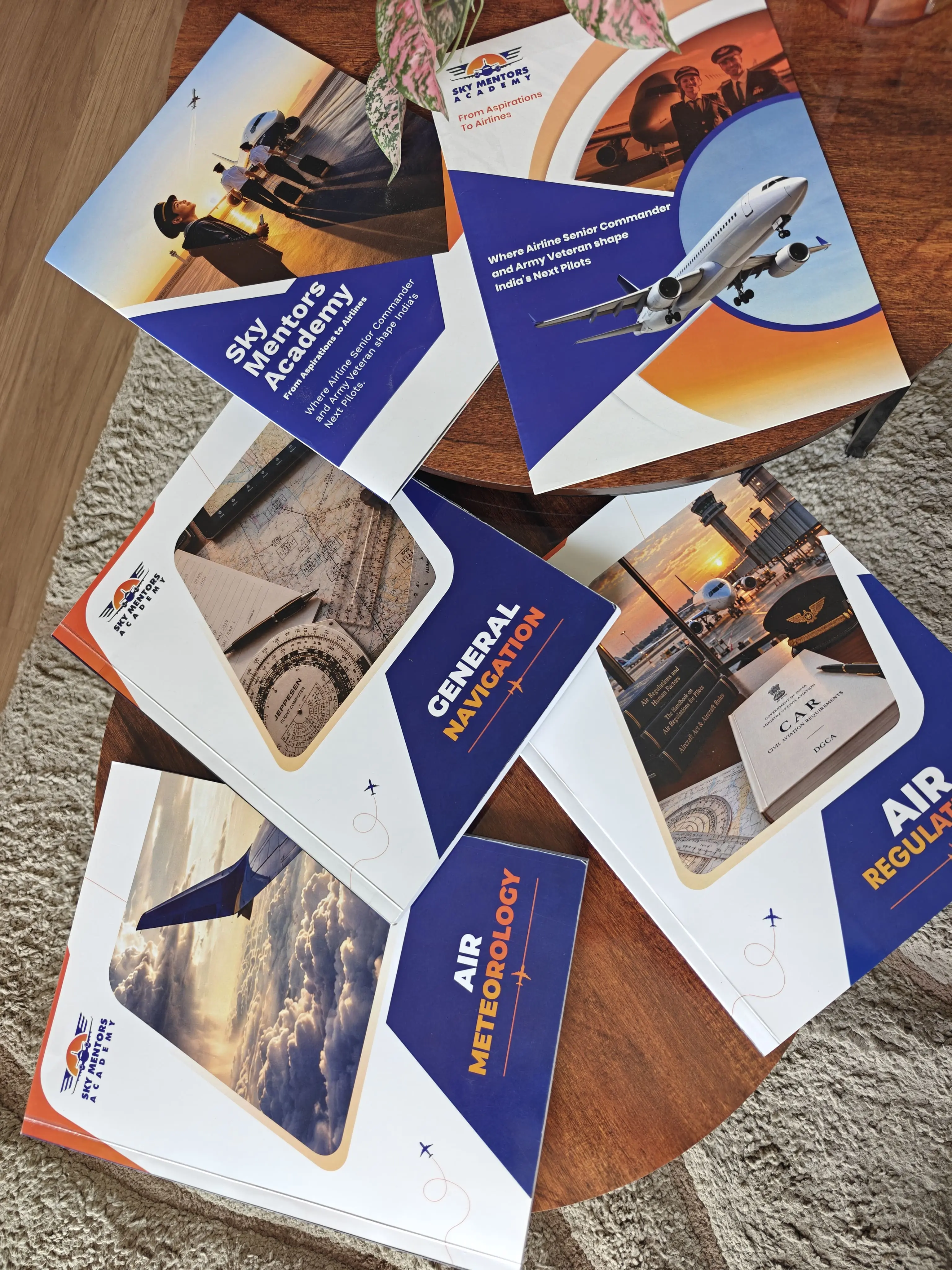
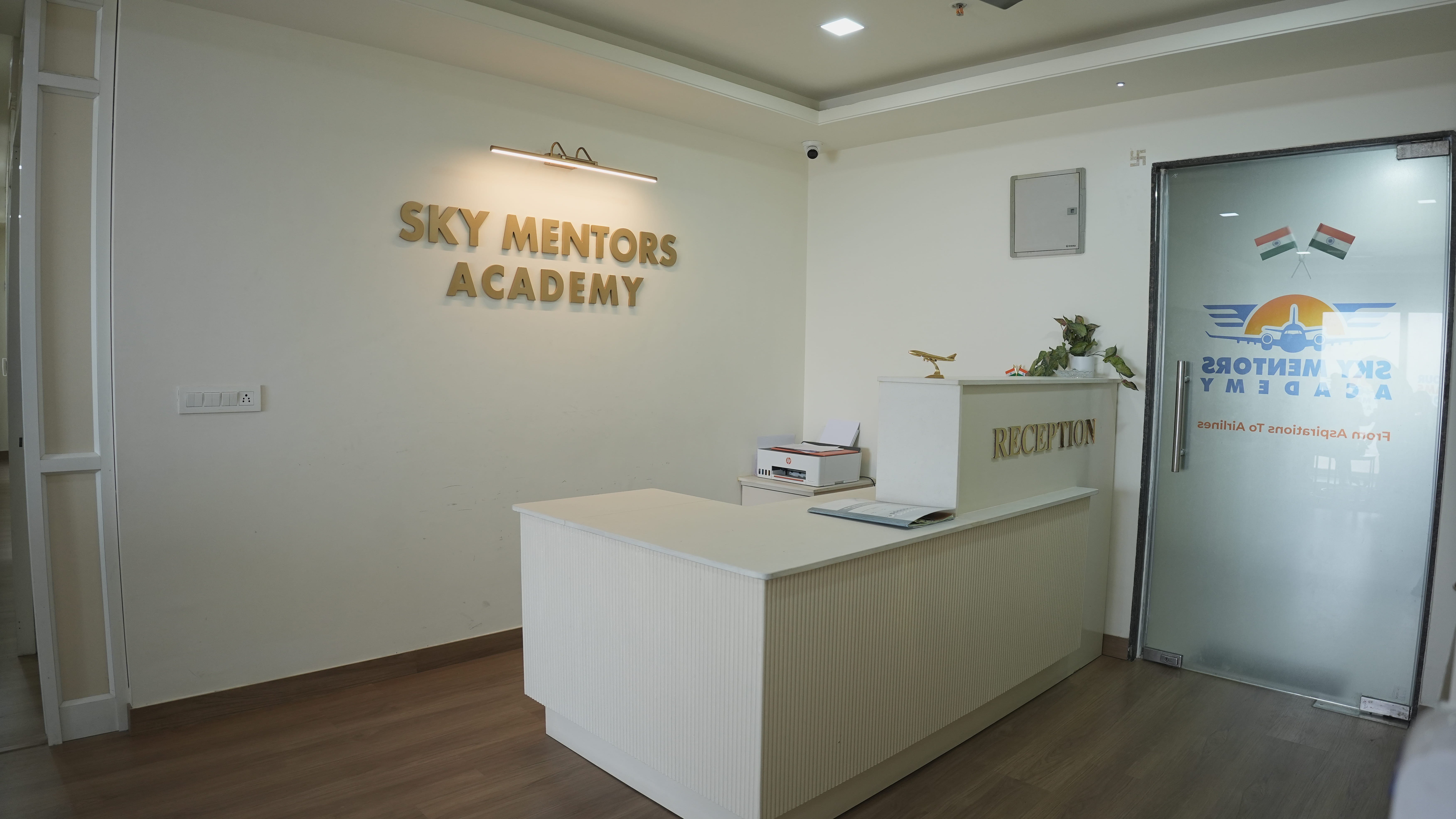
Sky Mentors Academy is a mentor-led pilot training academy in India, where active airline pilots guide you through your DGCA ground school, flying training and airline selection preparations.
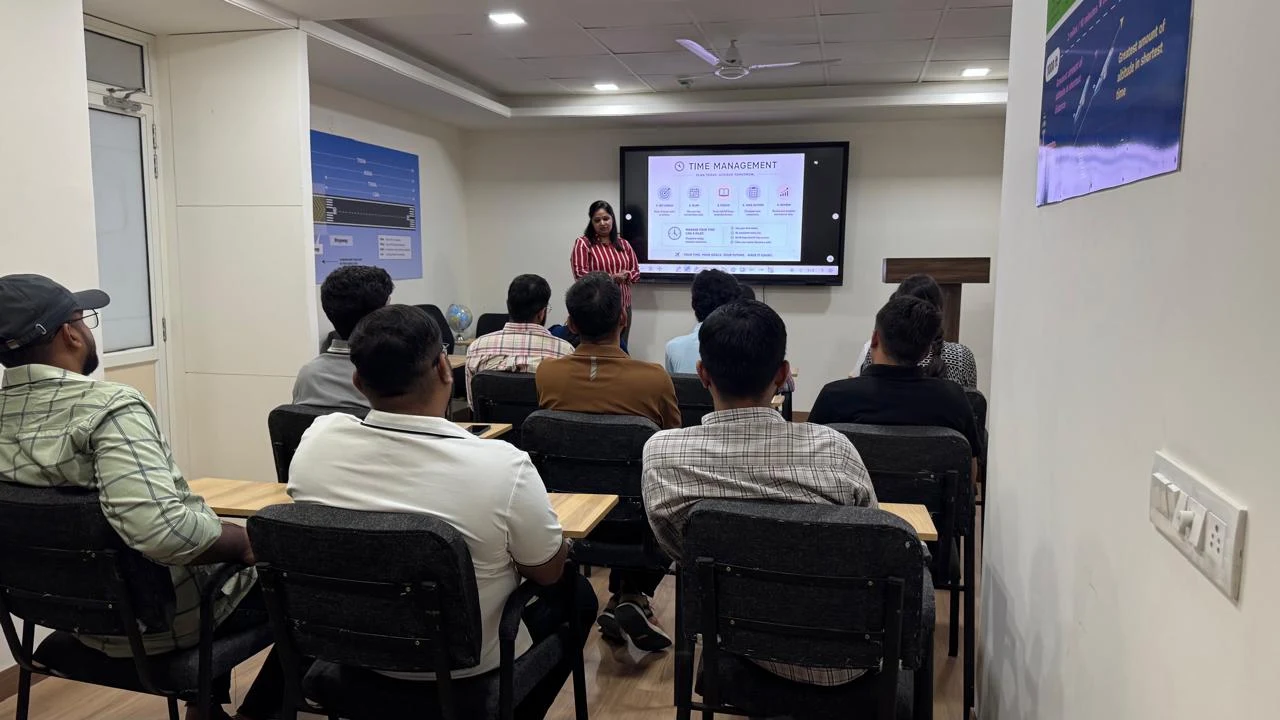
Sky Mentors Academy is a Pilot Training Institute in India for aspirants who treat aviation as a profession of real responsibility, not just a career choice. Instructors here don't just get you through DGCA exams; they build the professional mindset a commercial cockpit actually demands, drawing on their own line experience to do it.

Real operational insight into cockpit decision-making, the kind of readiness a standard ground school simply can't teach from a textbook.

Build the leadership and communication traits airlines actually assess during cadet and CPL interviews.

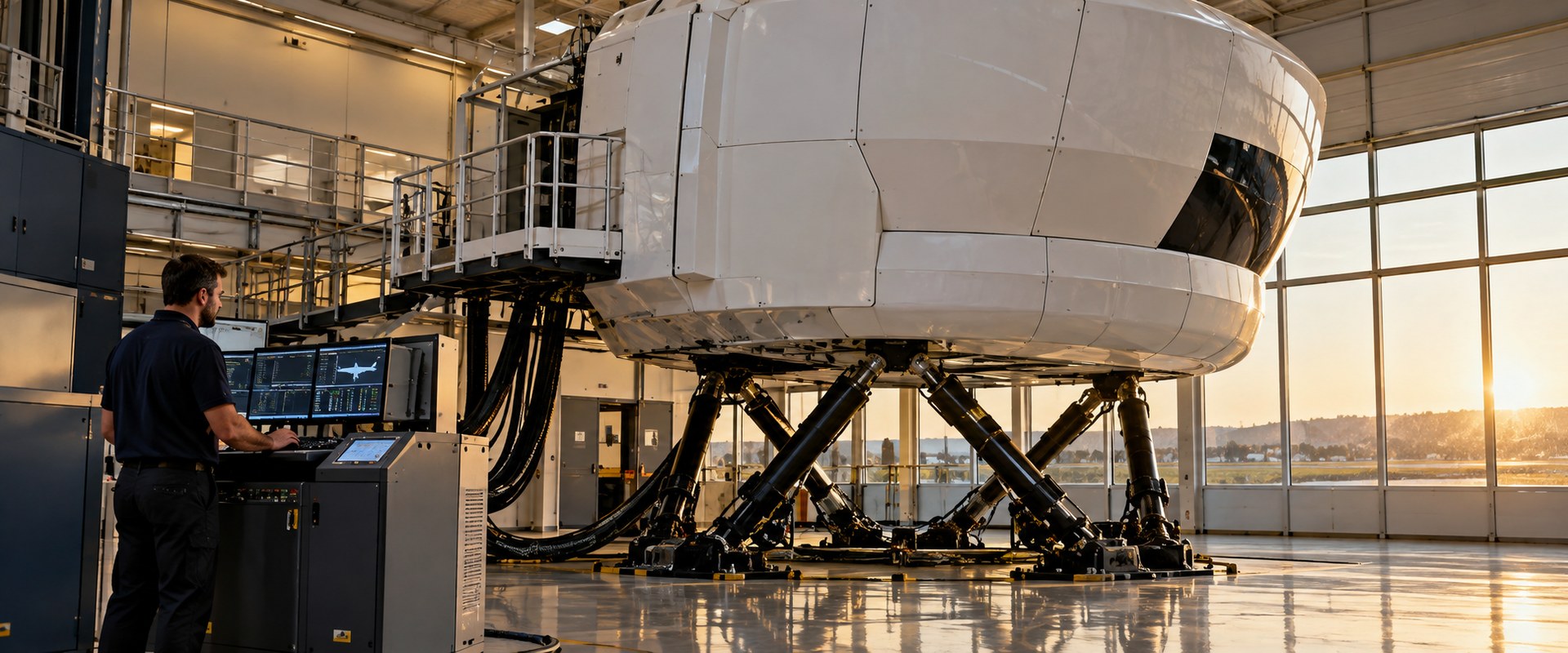
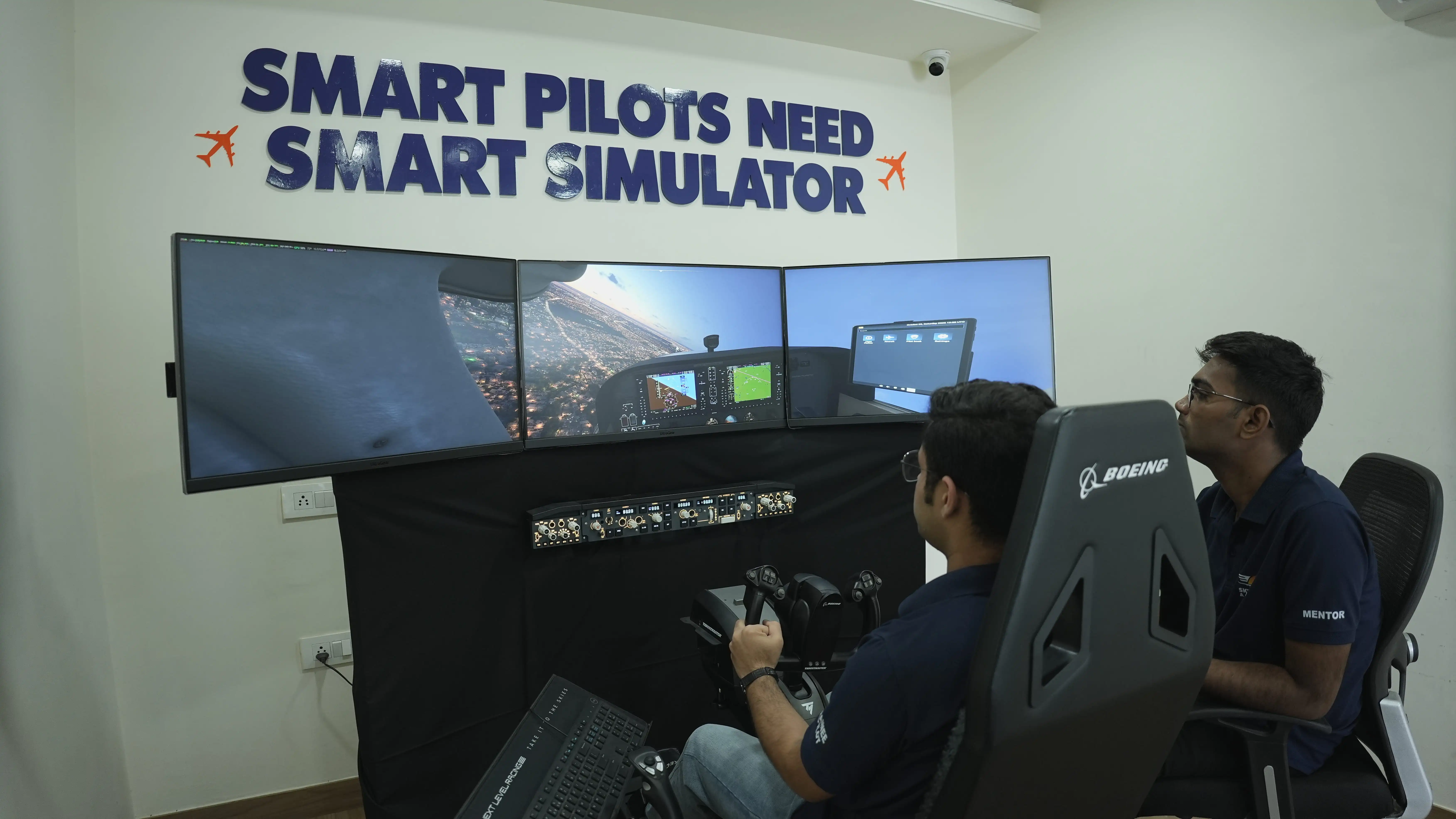
Connect theory to flight through 10 integrated smart-simulator sessions, progressing from basic handling to jet-level procedures.
Sky Mentors pilot training academy in India runs five training tracks: DGCA Ground Training, Cadet Pilot Program, Flight Training Guidance, Airline Prep and Type Rating, each built around technical mastery and cockpit confidence, whichever stage you're starting from.
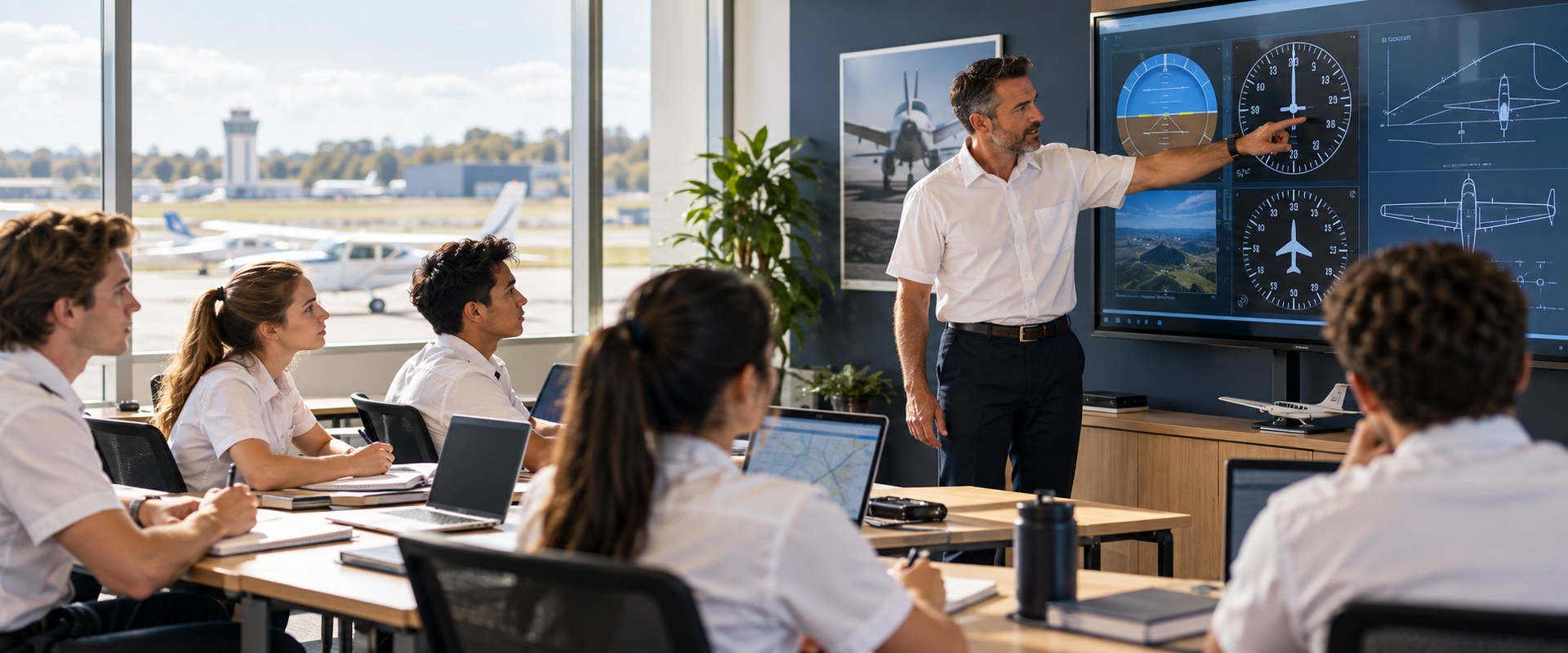
Work through DGCA subjects for conceptual clarity, mentored by experienced professionals rather than rote memorisation.
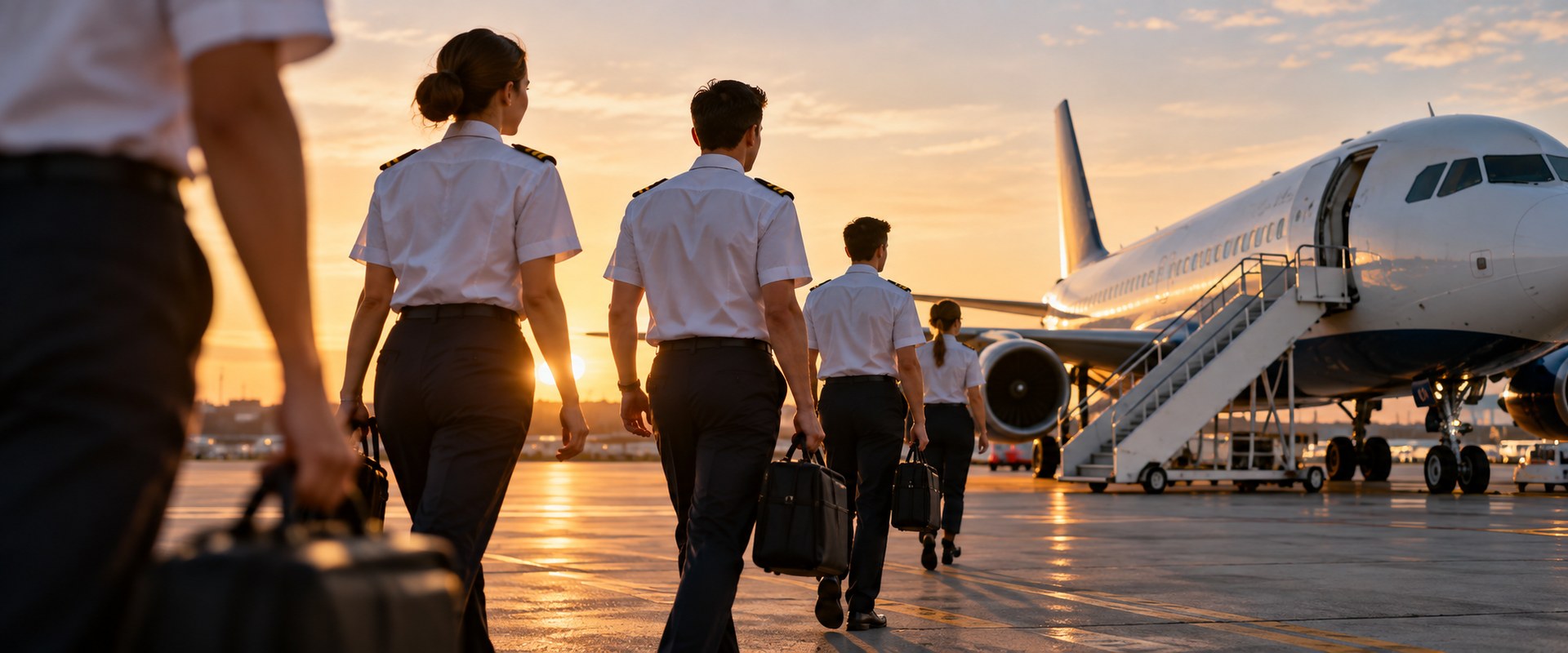
Get through the competitive airline induction process, from ADAPT screening to the final interview.
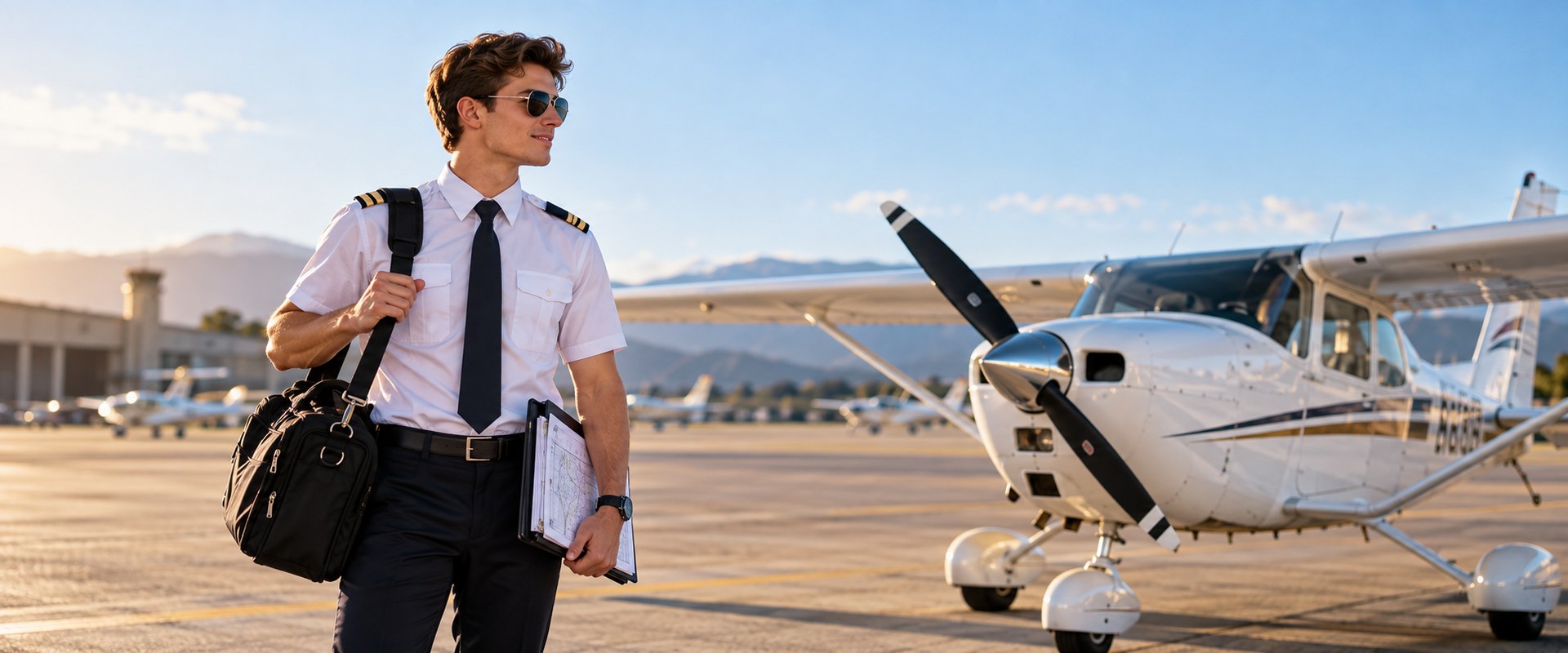
Find the right base for your flying hours, whether that's in India or abroad.

Close the gap between holding a licence and actually getting hired by an airline.
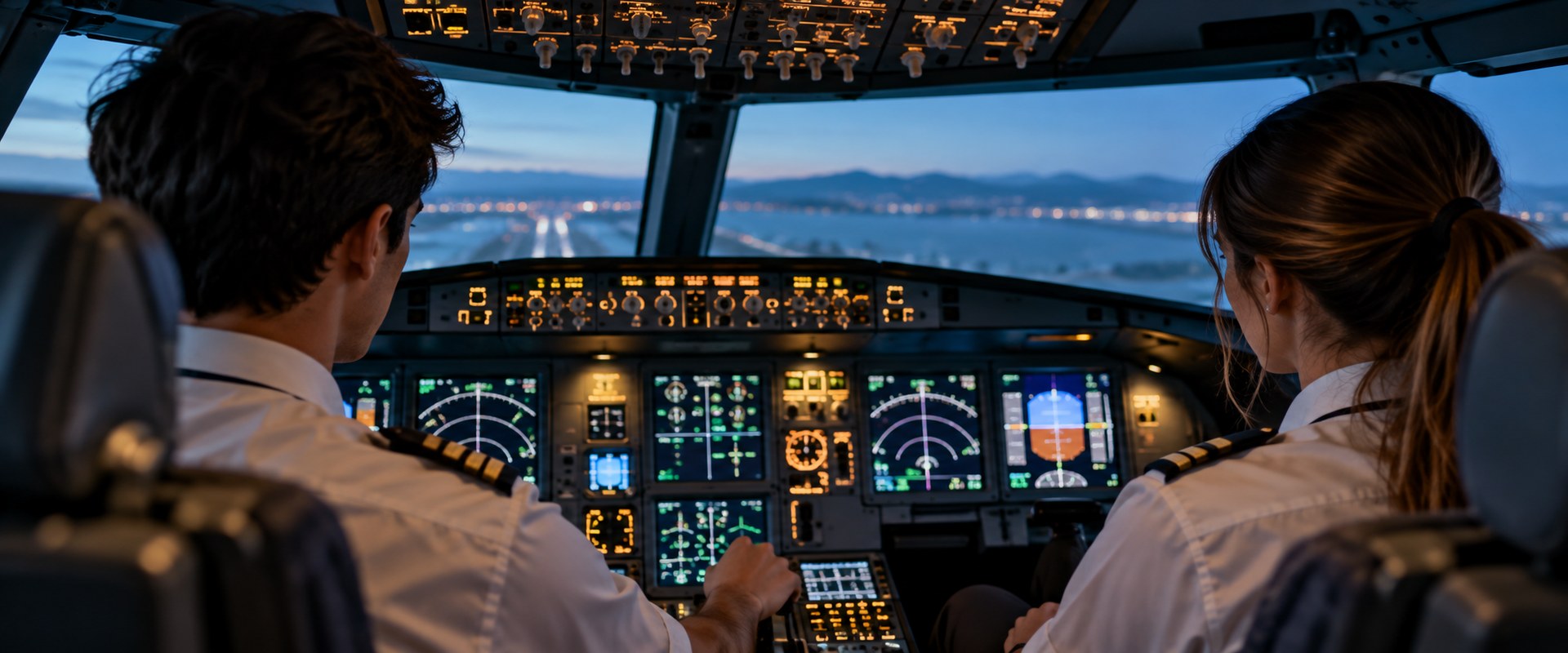
Build aircraft-specific mastery on the commercial jets airlines actually fly.
Seven differences between a mentor-led academy and a conventional ground school; select any panel for the details.
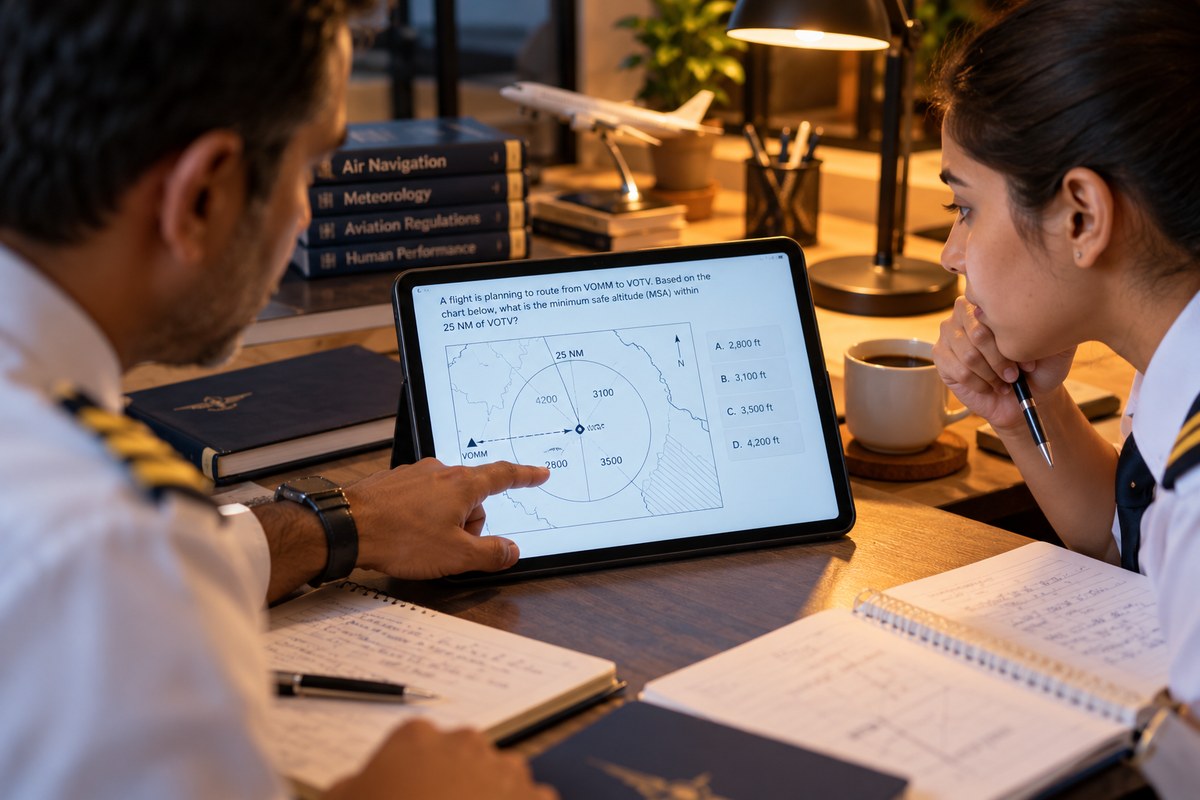 Concept-first learning
01
Concept-first learning
We teach all six DGCA subjects the way a check-ride examiner actually thinks, through scenario-based questions, not recall drills, so what you learn holds up past the exam and into the cockpit.
 Simulator-integrated training
02
Simulator-integrated training
Ten simulator sessions run alongside ground school, not after it, so cadets build real cockpit awareness, from basic handling to jet-level procedures, while the theory is still fresh in their heads.
 Direct pilot mentorship
03
Direct pilot mentorship
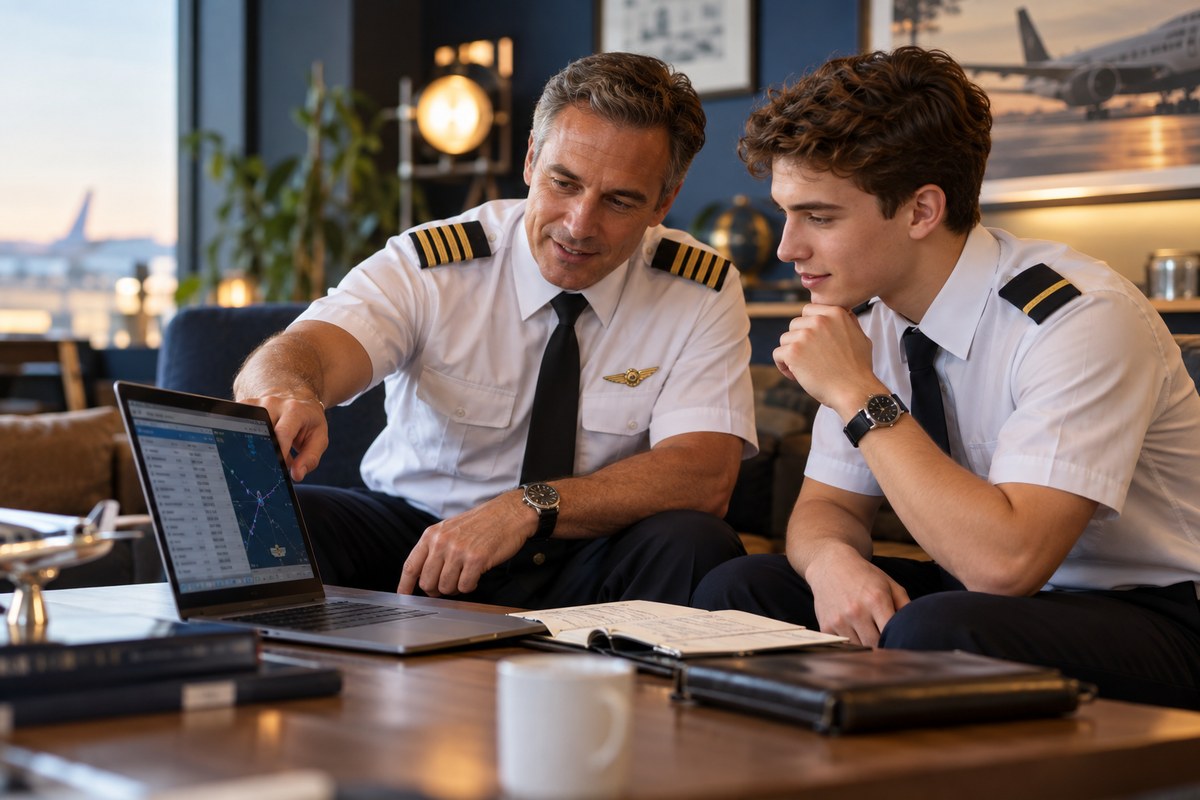
Every batch is taught by instructors who are still flying the line, not career ground-school teachers, so the examples in class come from last month's flight rather than an old textbook.
 Airline behaviour and readiness
04
Airline behaviour and readiness
Mock selection boards follow the same format as ADAPT, COMPASS and other airline psychometric assessments, so cadets rehearse actually being evaluated, not just being taught.
 DGCA precision prep
05
DGCA precision prep
Our 1000+ topic-wise mock tests are tagged by weak-area pattern, so revision time goes toward whatever subject is actually costing a cadet marks, rather than a blanket re-read of everything.
 Safety as a habit
06
Safety as a habit
Every technical subject is taught alongside the safety reasoning behind it, why a regulation exists, not just what it states, so that reasoning becomes automatic instead of a separate module to cram.
 Train the trainer
07
Train the trainer
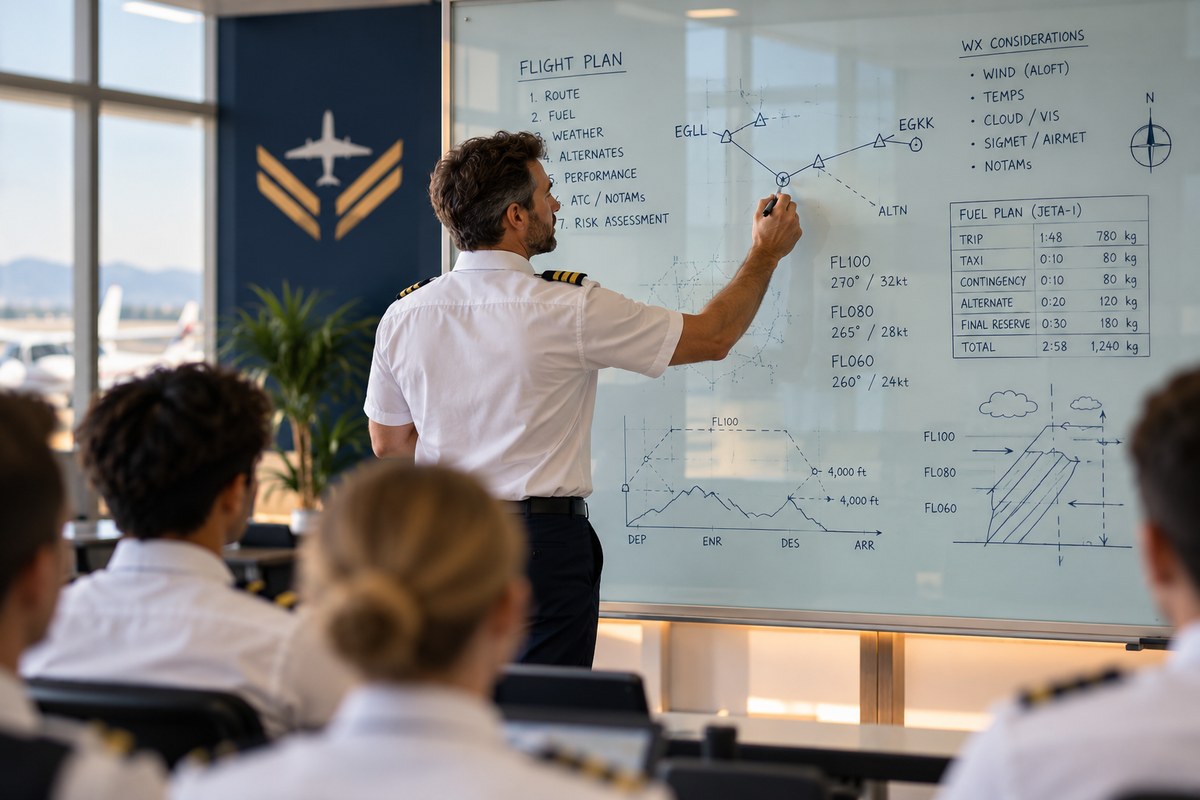
Every instructor is certified under senior command before they're allowed to lead a batch, which keeps teaching quality consistent no matter which mentor takes your class on a given day.
This is pilot training led by a Senior Commander on one side and a decorated Army officer on the other - two people who shape the foundation of every cadet at Sky Mentors.

Siddharth Sharma has spent over 21 years in the cockpit, logging nearly 9,000 hours across three Indian airlines. He's flown the wide-body 777 and the narrow-body 737, both on domestic and international routes.

Major Chhavi Sharma spent 12 years in the Indian Army and trained at the Officers Training Academy in Chennai. She now leads CRM, communication and command-presence training — the parts of airline selection that go beyond just knowing the material.
This pilot training roadmap takes you through fourteen steps, from your 10+2 result to a first officer seat, with the academy alongside you at every one of them.

10+2 with Physics and Maths at a minimum of 50% or the NIOS equivalent. You must be at least 17.

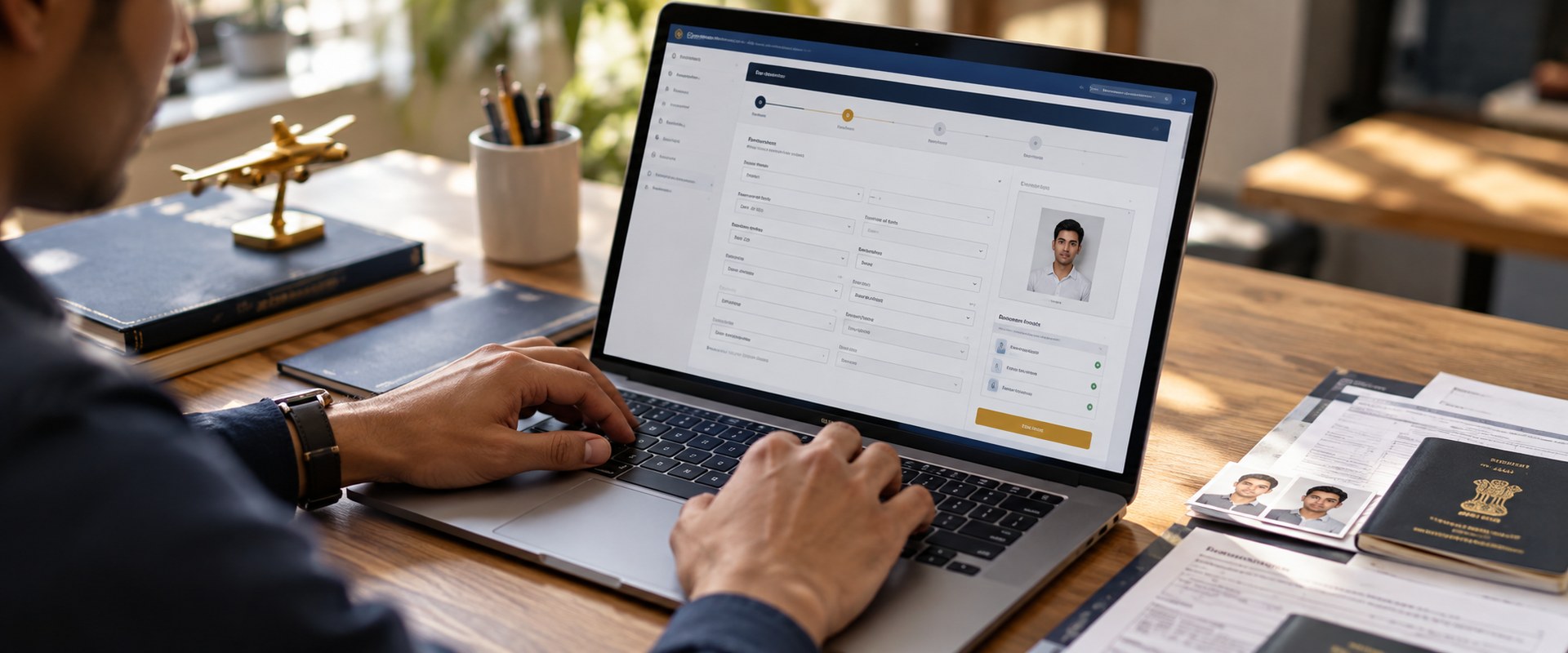
Set up your profile, upload the required documents, and open your official DGCA record.


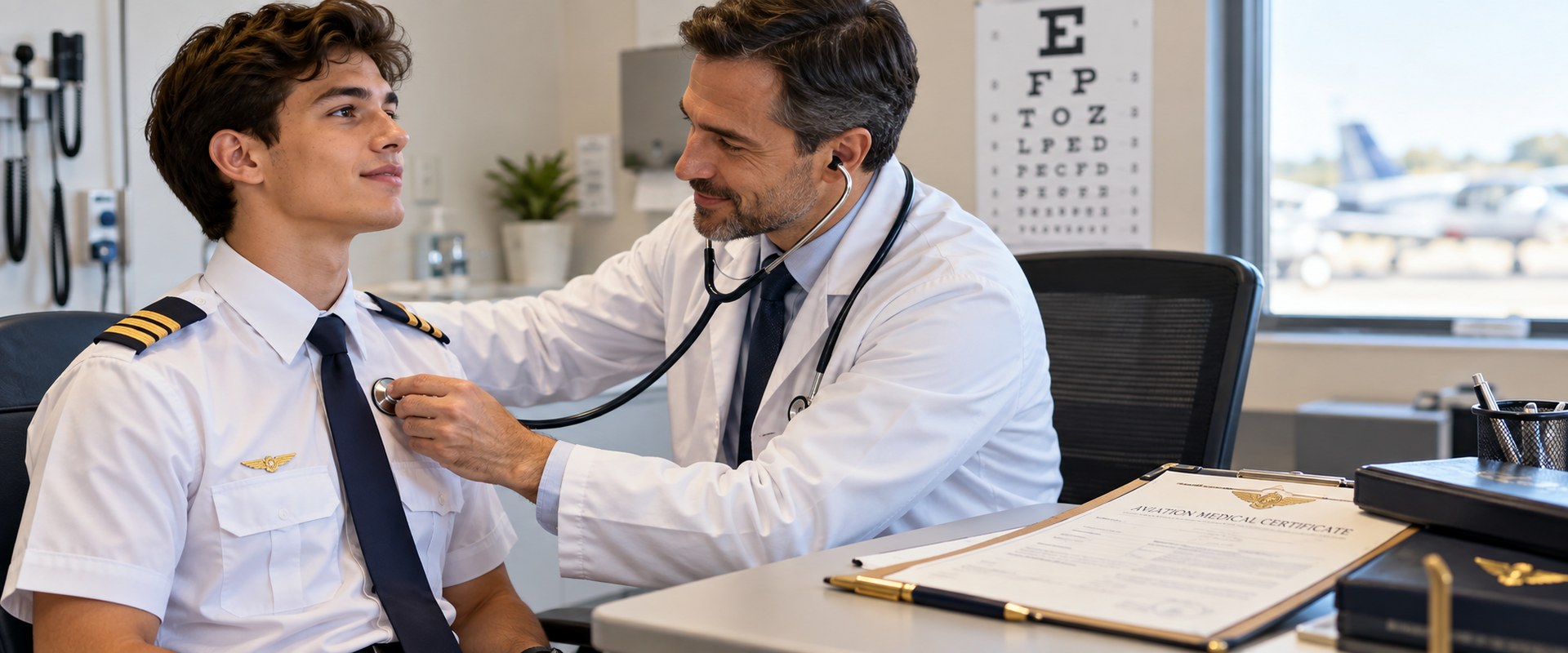
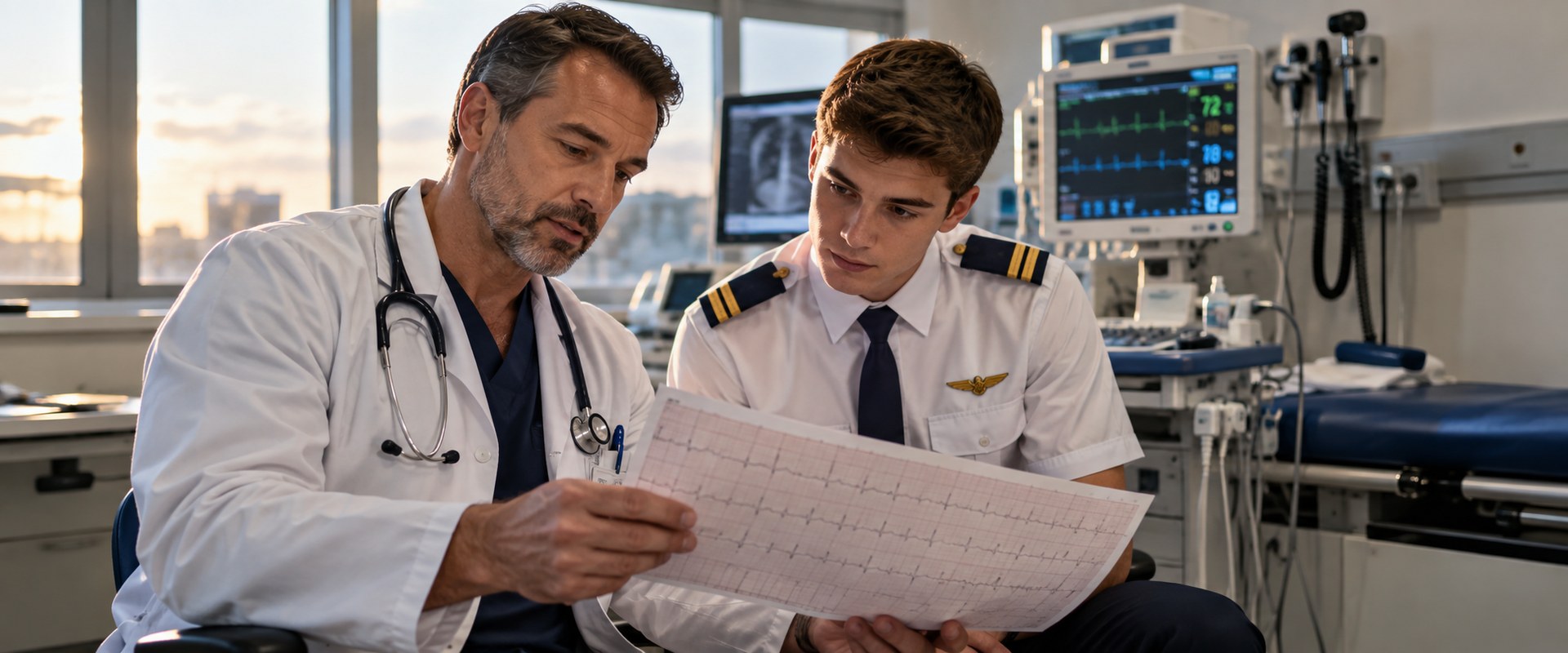
Complete DGCA-approved tests, including vision, hearing, ECG and blood work, to obtain your initial medical clearance.

Structured instruction covering every DGCA theoretical subject.

Clear every subject at a minimum of 70% to stay eligible for your CPL.

More advanced testing at an IAF- or DGCA-approved centre, required before your CPL can be issued.

Enrol at a DGCA-approved FTO, chosen for its safety record and aircraft fleet.

Dual, solo, instrument and night flying, building up to 200 total hours.

A DGCA examiner assesses your handling and navigation skills directly.

Apply once your hours, exams, medical, and RTR are all complete.

Aircraft-specific training on the A320 or B737, including simulator sessions.

Aptitude testing, psychometric assessments, group discussions and interviews.

Start as First Officer and begin building hours toward Captain.
Tell us your marks, subjects and age. A mentor will confirm exactly which route is open to you, and what to fix if something is missing.
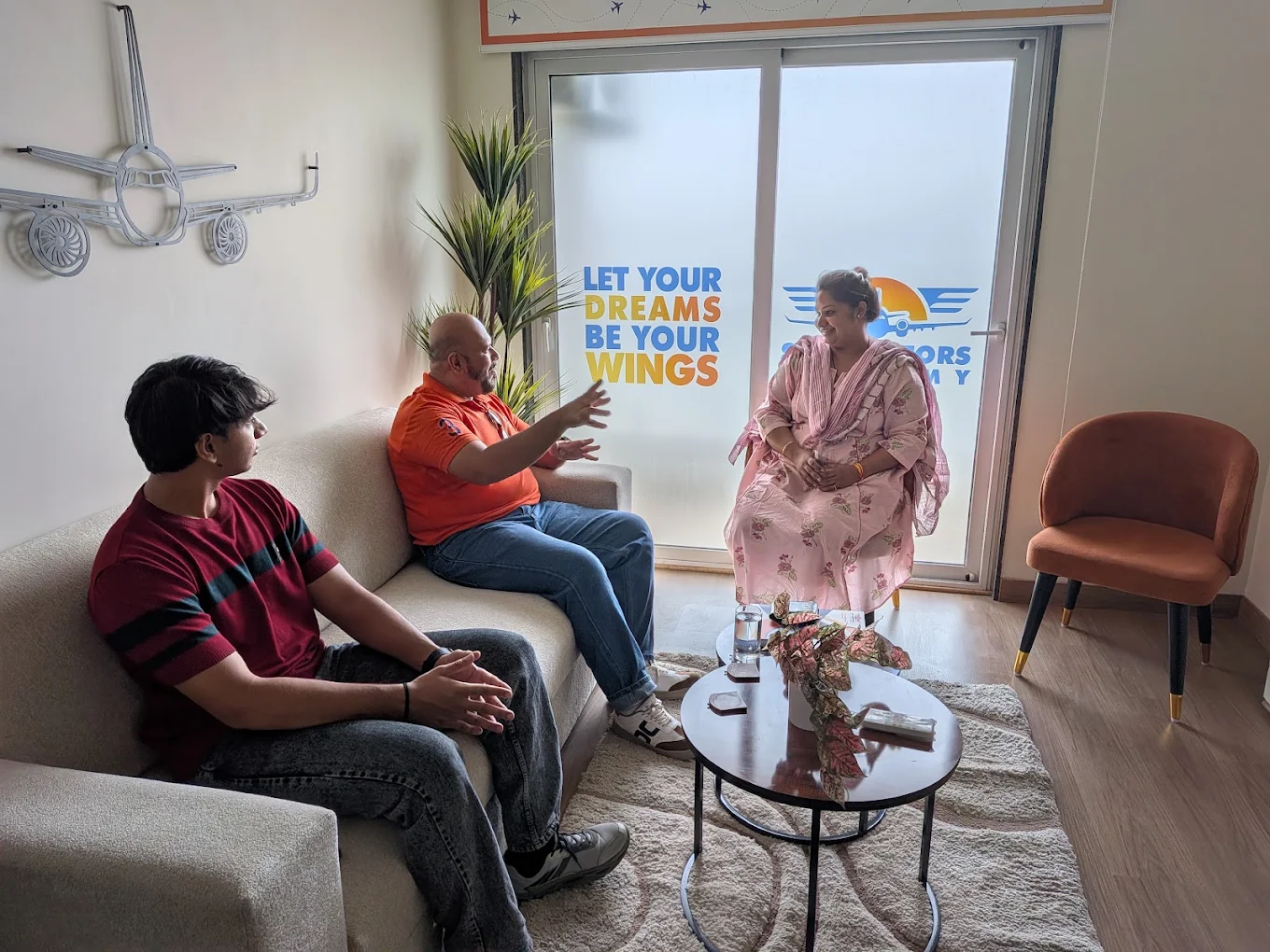
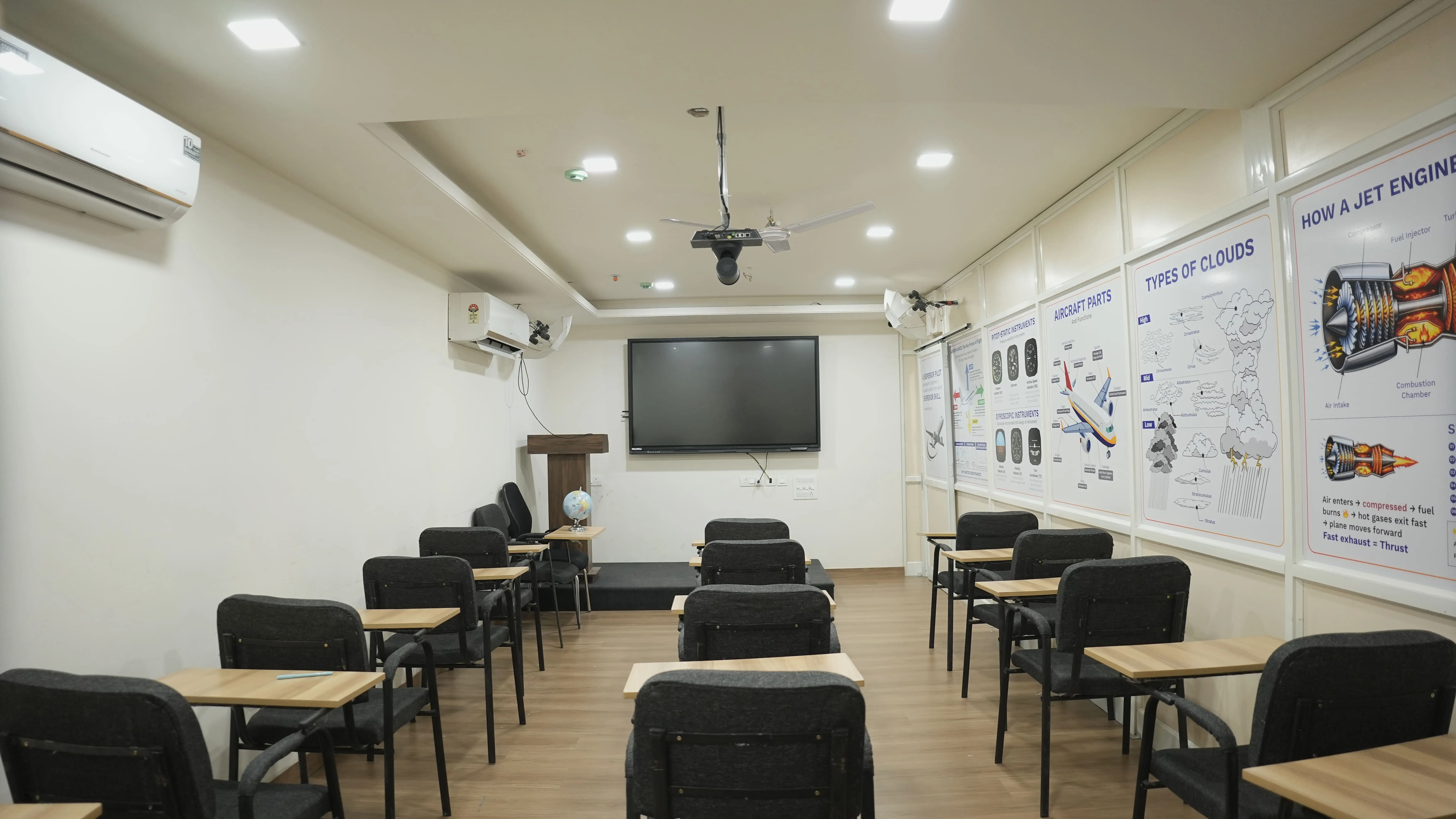
Ground school sessions, simulator training and mentorship, all happening at our Tonk Road campus in Jaipur - with accommodation guidance for cadets relocating from outside Rajasthan.
A practical guide to 15 of the best pilot training institutes in India for 2026, including government options, airline cadet programmes and how to choose.
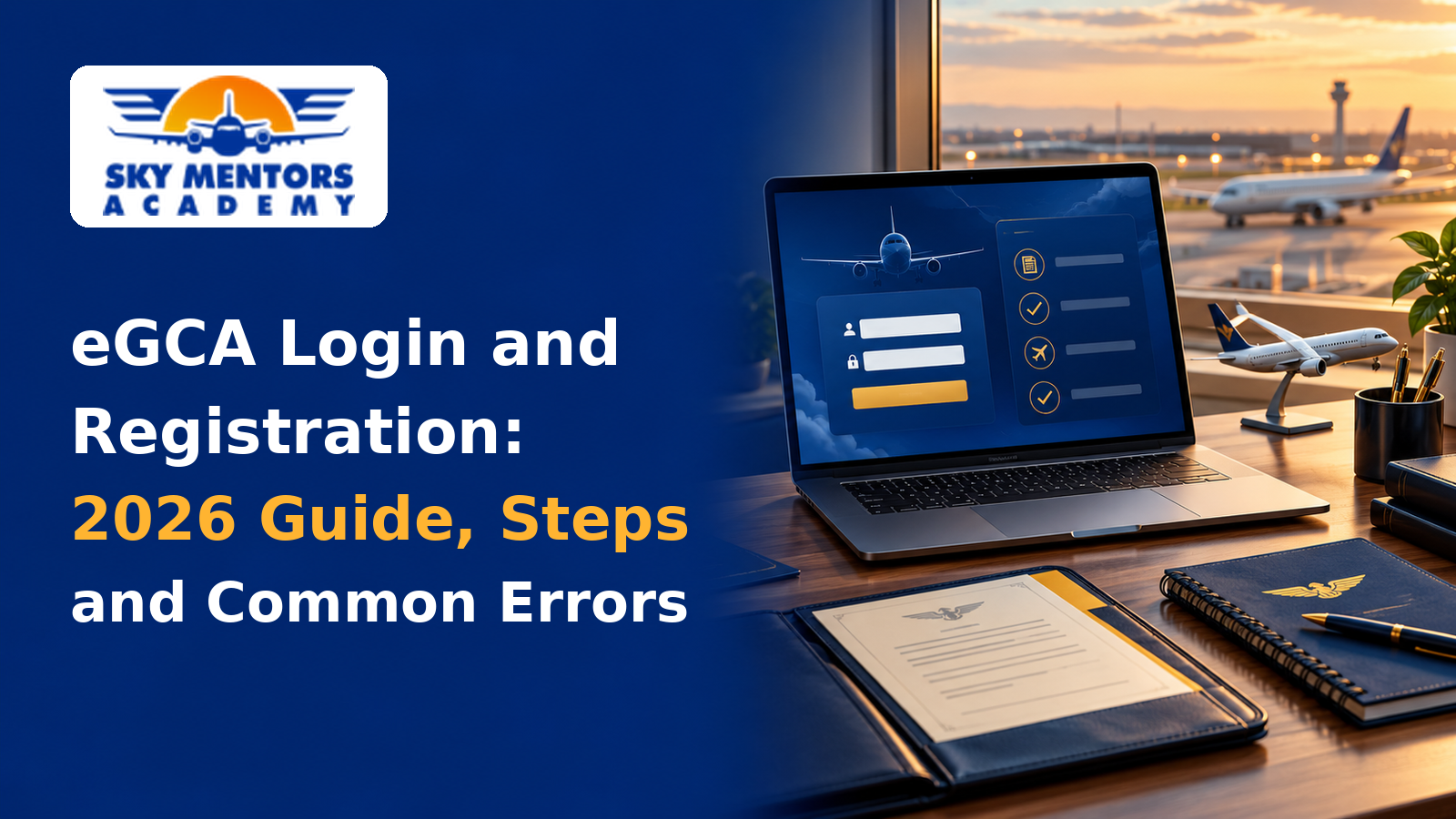
A step-by-step guide to eGCA login and registration for aspiring pilots in India, covering document requirements, common errors, and what to expect at each stage.
From your 10+2 result to your first officer seat, every DGCA step explained in order, with the eligibility, medicals, exams and hours you actually need.
The full pathway runs 18-24 months end to end. Here's how long each stage typically takes and when batches begin; actual timelines shift with exam attempts, weather at your flying school, and your own pace.
Below are answers to the most common questions about pilot training. If yours is not here, our admissions team will answer it directly.

Our cadets' journeys from aspiring aviators to airline-ready professionals reflect the training and mentorship behind them. Read their experiences and picture your own path.
Strongly recommended. What a perfect place for pilot training in Jaipur. The people of Sky Mentors are truly airline-experienced, real pilots who have flown and are flying the Airbus and Boeing.

The instructors have good aviation knowledge and explain concepts with practical examples, which makes even the difficult topics much easier to understand and remember. The simulator sessions are also very helpful.

One thing I appreciate in SMA are the regular tests. They help students identify weak areas early and also make them comfortable with the pressure and pattern of competitive aviation examinations.

See what cadets and parents say about Sky Mentors Academy on Google.
Leave your details, and our admissions team will call you with batch dates, fee structure and a free counselling session. We get back to you within one working day, and your information is never shared.